Blended Dynamics, LLC
Growth with Clarity, Strategy, and Heart
About Blended Dynamics
Where Insight Meets Action
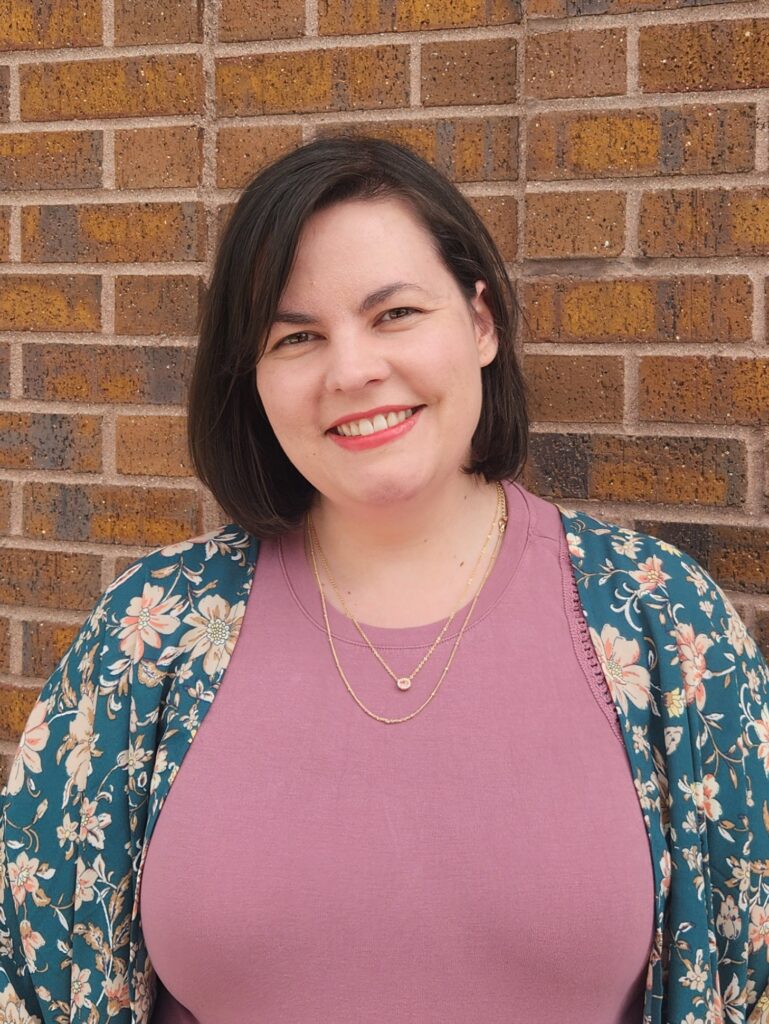
Blended Dynamics is the solo practice of Hannah Huyck, a coach and consultant with a deep-rooted belief in the power of intentional growth. With a background in nonprofit work, creative problem-solving, and student mentorship, Hannah brings a unique blend of empathy and structure to every engagement.
Founded from lived experience, Blended Dynamics is built on the understanding that meaningful change requires more than quick fixes. Whether you’re navigating personal transitions, building career direction, or shaping organizational culture, Hannah offers grounded support that leads to long-term clarity, confidence, and purpose.
Hannah holds a B.A. in Criminal Justice with a concentration in Victim Services from the University of Colorado Denver. This foundation informs her trauma-aware, justice-oriented approach—centering people as whole beings and blending personal insight with practical strategy. With over two decades of experience in the arts, her creative background brings imagination, intuition, and a deep comfort with complexity to every space she enters.
Services
Support for Growth That Lasts
Helping people and organizations find direction, confidence, and sustainable success. Blended Dynamics offers flexible coaching and consulting services tailored to individual and team needs.
Life Coaching & Self-Development
One-on-one sessions to build self-awareness, set goals, and grow with purpose.
Career Exploration & Mentorship
Guidance for students and professionals navigating career paths, internships, or job transitions.
Organizational Culture Consulting
Partnering with teams to develop people-first systems that foster trust and collaboration.
Educational & Internship Program Advising
Support for creating and refining mission-aligned learning and development programs.
Self-Advocacy Coaching
Empowering individuals to lead with clarity, compassion, and confidence.
Creative & Strategic Process Development
Helping individuals and teams clarify their vision, improve workflows, and unlock new approaches.
The Blended Dynamics Way
Coaching and Consulting with a Human-Centered Approach
Blended Dynamics brings together strategy and self-awareness to support growth that feels authentic and sustainable. Every offering is grounded in empathy, inclusion, and deep listening.

Integrated Holistic Approach
Combines coaching, mentoring, and consulting for life, career, and organizational change.

People-First, Systems-Smart
Blends emotional intelligence with practical systems to support lasting transformation.

Creative Clarity & Strategic Flow
Harnesses artistic thinking and structured planning for inspired, actionable results.
Ready to Start Your Growth Journey?
Whether you’re an individual, student, or team, let’s explore how we can work together. Reach out today to begin building clarity, confidence, and purpose.
Phone: (720) 343-3990
Email: hannah.huyck@blendeddynamicsllc.com
Business Hours: Monday through Friday, 8am – 5pm